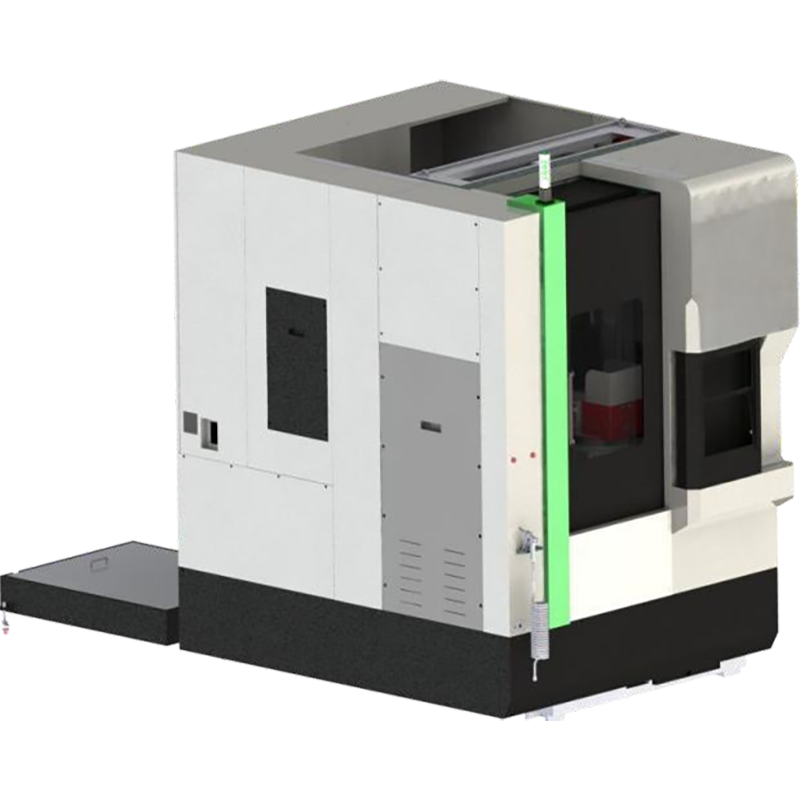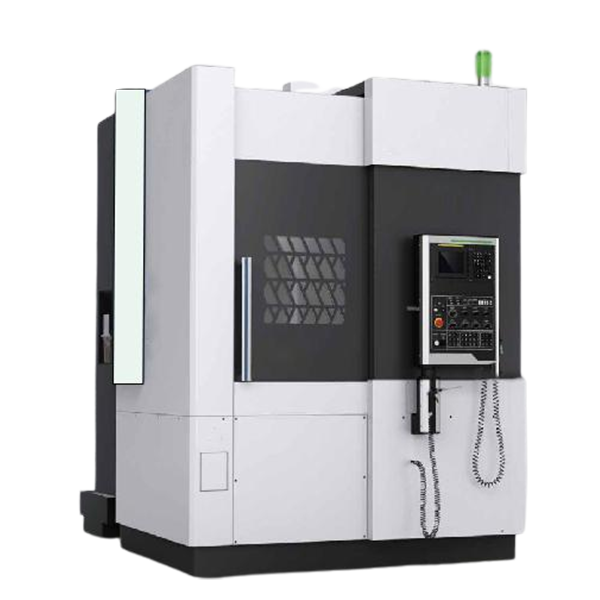
Choosing the wrong CNC vertical lathe can lead to workpiece interference, unstable cutting, and unnecessary costs. But how do you know which machine fits your parts?
The answer starts with your workpiece size, weight, material, and machining requirements. This guide covers the key factors to help you select the right CNC vertical lathe.
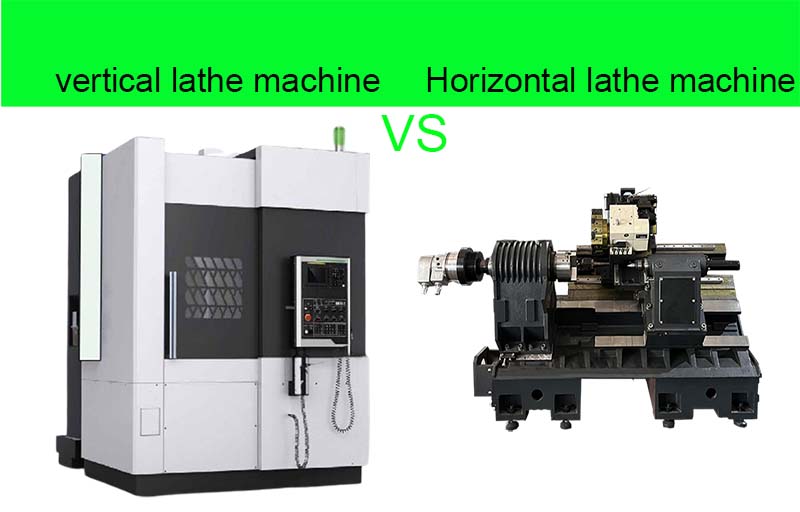
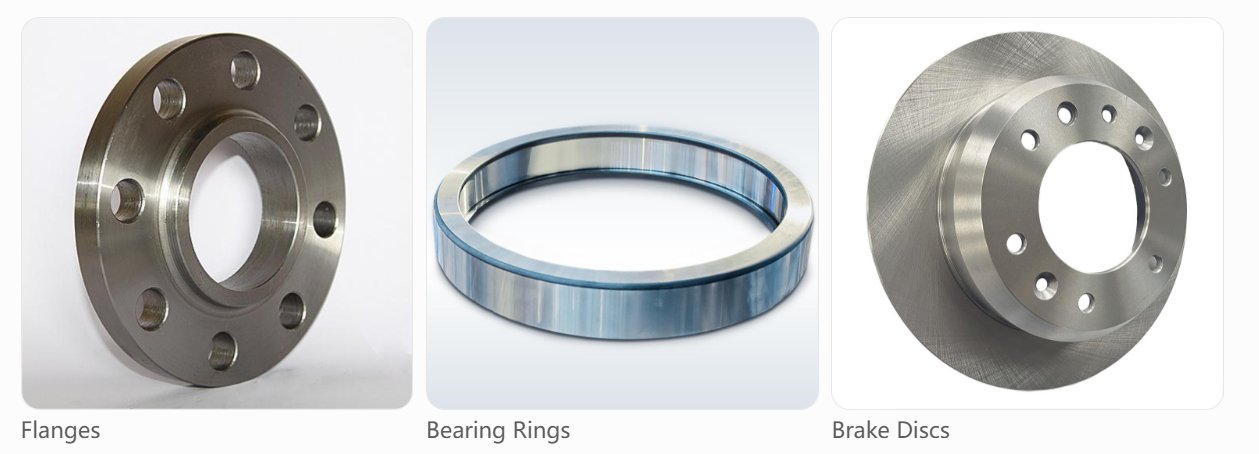
A CNC vertical lathe is best suited for round, disc-shaped, or relatively short workpieces with large diameters. Its vertical spindle design allows the workpiece to rest on a horizontal table, providing stable support and easier loading.
Typical applications include flanges, brake discs, bearing rings, pump housings, and valve bodies.
However, not every round part requires a vertical lathe. The right choice depends on your workpiece shape, size, weight, and machining needs.
|
Factor |
Choose a Vertical Lathe |
Choose a Horizontal Lathe |
|
Part Shape |
Short, wide, disc-shaped parts |
Long, shaft-like parts |
|
Workpiece Weight |
Heavy parts requiring stable support |
Lighter parts supported by a chuck or centers |
|
Loading |
Large parts loaded from above |
Parts loaded horizontally |
|
Typical Parts |
Flanges, rings, brake discs |
Shafts, rods, sleeves |
Before comparing CNC vertical lathe specifications, define your workpiece requirements. The finished part dimensions alone are not enough. You also need to consider the raw material, workholding setup, and machining operations.
|
Workpiece Factor |
What You Need to Check |
Why It Matters |
|
Part Diameter |
Maximum outside diameter of the raw workpiece |
Determines the required swing and turning diameter |
|
Part Height |
Total height, including fixtures |
Ensures sufficient vertical clearance and tool travel |
|
Part Weight |
Combined weight of the workpiece and fixtures |
Helps determine the required table load capacity |
|
Material |
Cast iron, carbon steel, stainless steel, etc. |
Affects spindle torque, cutting speed, and power requirements |
|
Machining Operations |
Facing, external turning, boring, grooving, drilling |
Determines the required tooling and machine functions |
|
Accuracy Requirements |
Dimensional tolerance, roundness, surface finish |
Helps identify the required machine precision and stability |
Always use the largest raw workpiece dimensions and total setup weight when checking machine capacity. Leave enough clearance for clamping, tool movement, and safe machining.
Once you know your workpiece requirements, the next step is to check whether the machine can handle them. Focus on these four specifications to avoid machining limitations and unnecessary costs.
These two specifications are often confused, but they serve different purposes. Check both dimensions against your raw workpiece and fixture sizes. Allow sufficient clearance for tool movement and clamping.
For example, a vertical lathe with a 700 mm swing diameter and a 500 mm turning diameter cannot necessarily machine a 600 mm outside diameter, even though the workpiece may fit inside the machine.
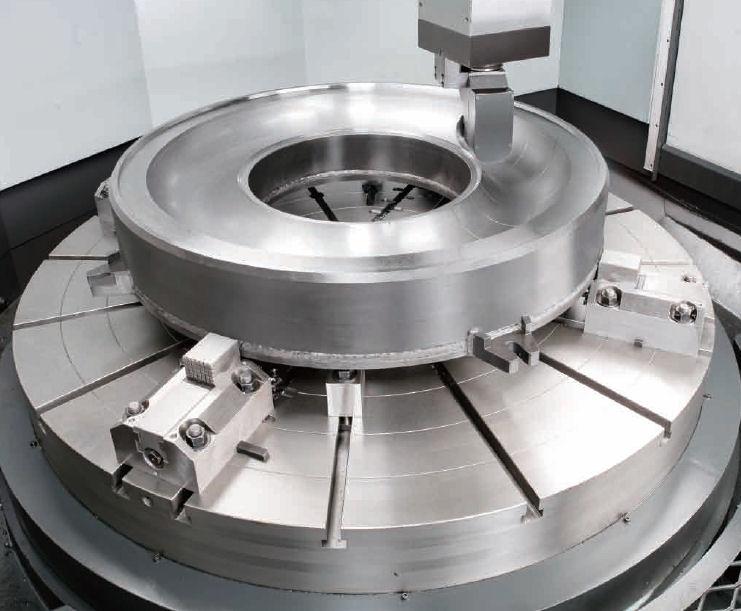
The worktable must support your workpiece securely throughout the machining process. Do not select a machine based only on its rated table load. Confirm that your actual clamping arrangement and load distribution are acceptable.
Check the following:
Your workpiece must fit within the machine's available machining space, not just its stated turning height. Include fixture height, tool length, and safe retraction space when evaluating machining clearance.
The right spindle configuration depends on your workpiece material, diameter, and cutting requirements.
|
Workpiece or Cutting Condition |
Key Spindle Consideration |
|
Large-diameter turning |
Sufficient torque at low spindle speeds |
|
Heavy roughing |
High cutting torque and adequate motor power |
|
Precision finishing |
Stable spindle operation and suitable speed control |
|
Hard or difficult-to-cut materials |
Adequate torque and power at the required cutting speed |
A higher maximum spindle speed does not always mean better cutting performance. For large-diameter parts or heavy cuts, available torque at the actual machining speed is often more important.
Even if a CNC vertical lathe meets your workpiece size and weight requirements, it must also support your machining operations. Different cutting processes require different machine capabilities.
List all machining operations before choosing the machine configuration. If your parts require milling or off-center drilling, confirm whether these functions are available on the selected model rather than assuming every CNC vertical lathe supports them.
Roughing removes large amounts of material and generates high cutting forces. Choose a machine with sufficient low-speed spindle torque, rigid construction, and effective chip removal.
For cast iron or steel parts with large machining allowances, prioritize cutting stability over maximum spindle speed.
Finishing requires consistent dimensional accuracy, roundness, and surface quality. Focus on spindle stability, machine rigidity, thermal stability, and repeatability.
If your parts have tight tolerances, also check the machine's accuracy specifications and available inspection results.
Some workpieces require more than basic turning. Check whether the machine supports the operations you need.
|
Machining Operation |
Required Machine Capability |
|
Facing and external turning |
Standard turning tools |
|
Internal boring and grooving |
Suitable tool holders and sufficient tool clearance |
|
Off-center drilling and tapping |
C-axis positioning and compatible driven tooling |
|
Milling flats or slots |
C-axis control and live tooling |
CNC YANGSEN offers CNC vertical lathes for different workpiece sizes and turning requirements. The YSLC-500 and YSLC-800 are two available options. Compare their machining capacities before selecting a model.
|
Specification |
YSLC-500 |
YSLC-800 |
|
Maximum Swing Diameter |
700 mm |
1,000 mm |
|
Maximum Turning Diameter |
500 mm |
800 mm |
|
Maximum Turning Height |
550 mm |
800 mm |
|
Spindle Speed |
50-3,000 rpm |
50-1,500 rpm |
|
Z-Axis Travel |
550 mm |
800 mm |
|
|
|
|
Suitable for smaller disc-shaped, thin, and irregular workpieces that require stable turning. Its rigid box-type structure helps reduce vibration during cutting. |
Designed for larger-diameter parts and applications requiring greater turning capacity. Confirm the required tooling and machining functions before ordering. |
1. What is the difference between swing diameter and turning diameter?
Swing diameter is the maximum diameter a workpiece can rotate without interference, while turning diameter is the maximum diameter the cutting tool can machine. Always check both specifications to ensure your workpiece fits and can be fully machined.
2. How do I determine the required table load for a vertical lathe?
Calculate the combined weight of your workpiece, chuck, fixtures, and other rotating accessories. The total must remain within the machine's rated load capacity. You should also consider weight distribution, clamping stability, and any additional restrictions specified by the manufacturer.
3. Can a CNC vertical lathe handle both roughing and finishing?
Yes. A properly configured CNC vertical lathe can perform both roughing and finishing operations. Roughing requires sufficient spindle torque and machine rigidity, while finishing depends on spindle stability, positioning accuracy, and thermal performance. Check that the selected machine meets both requirements.
4. How much clearance should I allow for workholding and tooling?
There is no single clearance value suitable for every application. You need enough space for the workpiece, fixtures, tool holders, cutting movements, and safe tool retraction. Check the complete setup against the machine's working envelope before purchasing.
5. What information should I provide when requesting a CNC vertical lathe quotation?
Provide your workpiece drawings, raw material dimensions, weight, material type, machining operations, and required tolerances. Include your expected production volume and any special tooling requirements. These details help the manufacturer recommend a suitable machine model and configuration.
Choosing the right CNC vertical lathe starts with understanding your workpiece. Focus on part dimensions, weight, machining operations, and accuracy requirements rather than machine size alone. The right specifications help you achieve stable machining while avoiding unnecessary costs.
Need help selecting a CNC vertical lathe? CNC YANGSEN can help you match the right machine to your parts. Contact us with your workpiece drawings and machining requirements for a tailored recommendation.
Contact CNC Yangsen to find the right CNC machining solution for your production needs.