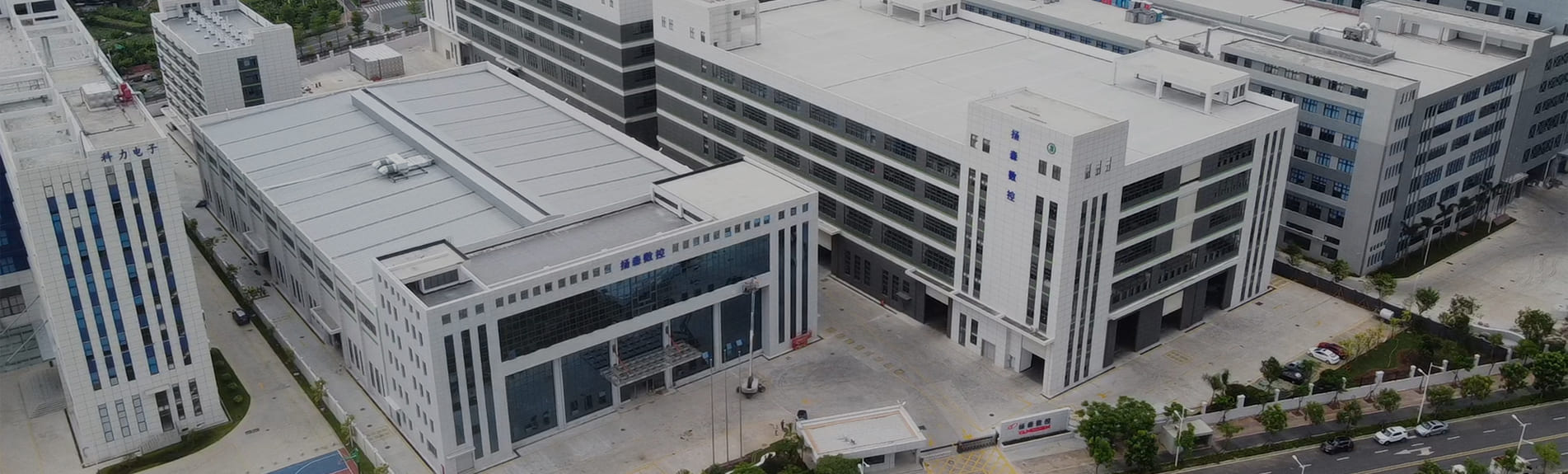
Máy CNC là mắt xích không thể thiếu trong chuỗi sản xuất và cung cấp khả năng tự động hóa cho việc cắt, tạo hình, khoan và hoàn thiện các chi tiết khác nhau với độ chính xác cao. Bất kể hoạt động trong lĩnh vực nào - hàng không vũ trụ, ô tô, chế tạo khuôn mẫu hay gia công cơ khí nói chung - việc lựa chọn máy CNC phù hợp sẽ ảnh hưởng trực tiếp đến năng suất tổng thể, độ chính xác và chi phí vận hành.
Lựa chọn giữa các phương án khác nhau các loại máy CNC Việc phân loại máy CNC có thể khá khó hiểu. Mỗi loại máy thực hiện các nhiệm vụ khác nhau, làm việc với các vật liệu khác nhau và phù hợp với hầu hết các môi trường sản xuất khác nhau. Hướng dẫn này trình bày năm loại máy CNC chính, cách thức hoạt động, ưu điểm và nhược điểm của chúng, và cách tốt nhất để quyết định loại máy nào phù hợp với hoạt động của bạn.
Việc đánh giá các tiêu chí của máy CNC cần dựa trên việc nghiên cứu kỹ lưỡng nhu cầu sản xuất của chính bạn. Máy móc được thiết kế để thực hiện các nhiệm vụ, xử lý vật liệu và khối lượng công việc cụ thể.
• Loại vật liệu: Hãy cân nhắc xem bạn chủ yếu gia công kim loại, nhựa, vật liệu composite hay vật liệu hỗn hợp. Một số máy móc xử lý việc cắt kim loại nặng tốt hơn những máy khác.
• Độ phức tạp của bộ phận: Nếu các chi tiết của bạn có hình dạng phức tạp, gia công nhiều mặt hoặc dung sai quá nhỏ, bạn có thể cần đến hệ thống điều khiển trục tiên tiến.
• Khối lượng sản xuất: Tự động hóa và chu kỳ sản xuất nhanh mang lại lợi ích cho sản xuất số lượng lớn, trong khi tính linh hoạt lại phù hợp với sản xuất số lượng nhỏ và các đơn đặt hàng theo yêu cầu.
• Yêu cầu về độ chính xác: Một số ngành công nghiệp, như hàng không vũ trụ và sản xuất thiết bị y tế, đòi hỏi độ chính xác đến từng micron và cấu trúc máy móc ổn định.
• Không gian và bố trí cửa hàng: Các máy móc lớn như máy phay giàn hoặc máy phay 5 trục sẽ cần nhiều diện tích mặt bằng và kế hoạch xây dựng nền móng hơn.
• Ngân sách & Chi phí hoạt động: IChi phí ban đầu, chi phí dụng cụ, chi phí bảo trì và chi phí tiêu thụ năng lượng đều phải phù hợp với ngân sách của mỗi người.
Có nhiều loại máy CNC đang được sử dụng trong sản xuất công nghiệpMỗi loại máy được thiết kế xoay quanh các nhiệm vụ gia công cụ thể và hướng đến các mục tiêu sản xuất cụ thể. Sau đây là mô tả rõ ràng về năm loại máy CNC phổ biến nhất.
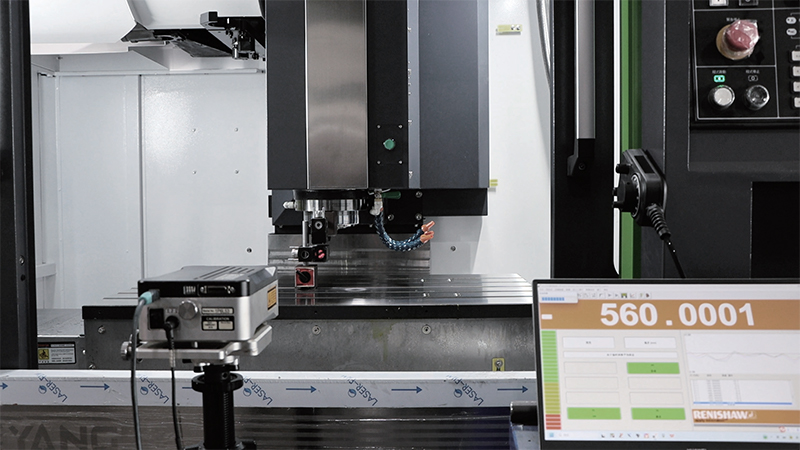
Vật liệu được loại bỏ khỏi bề mặt của phôi bằng cách sử dụng một dụng cụ cắt quay đồng thời giữ cho phôi cố định trên một Máy phay CNC.
Các hoạt động xay xát bao gồm mọi thứ từ... đến phay mặt, xẻ rãnh, khoan và tạo hình..
Tính dễ sử dụng và độ chính xác vượt trội đã khiến máy phay trở thành một trong những công cụ gia công được ưa chuộng nhất trong sản xuất.
• Ưu điểm:Độ chính xác và khả năng lặp lại cao, cho phép sử dụng nhiều loại vật liệu, hình dạng phức tạp và các chi tiết tỉ mỉ.
• Nhược điểm:Chỉ gia công được các chi tiết hình trụ, tốc độ chậm hơn một chút đối với sản xuất số lượng cực lớn, và việc lập trình các công việc phức tạp khá khó khăn.
• Phù hợp nhất cho:Nếu bạn sản xuất các chi tiết hình lăng trụ, khuôn mẫu, đồ gá, hoặc bất kỳ bộ phận nào cần gia công chi tiết và có dung sai chặt chẽ, thì máy phay CNC là lựa chọn phù hợp dành cho bạn.
Máy tiện CNC quay phôi gia công so với dụng cụ cắt cố định để thực hiện quá trình cắt.
Cấu hình này rất phù hợp cho các bộ phận tròn và đối xứng như... Trục, bạc lót và các bộ phận bắt vít.
Máy tiện CNC được trang bị thêm dụng cụ cắt tự động, có thể thực hiện một số thao tác phay hạn chế trong khi máy tiện CNC đang ở cùng một vị trí thiết lập.
•Ưu điểm: Tuyệt vời cho các chi tiết hình trụ, có tốc độ sản xuất tốt, đảm bảo tuổi thọ cao với chất lượng bề mặt đồng đều và phương pháp loại bỏ vật liệu hiệu quả.
•Nhược điểm: Những hạn chế hình học cơ bản dẫn đến môi trường không thuận lợi cho việc gia công các chi tiết hình lăng trụ phức tạp. Bản thân việc thiết lập dụng cụ đôi khi cũng có thể trở thành một trở ngại.
•Phù hợp nhất cho: Bạn nên chọn máy tiện CNC nếu sản phẩm chính của bạn là các chi tiết tròn, trục, gia công số lượng lớn, v.v.
Sử dụng máy tiện CNC, phôi được quay trong khi một dụng cụ cắt cố định quét dọc theo mép vật liệu, do đó loại bỏ một phần của phôi.
Các công việc sản xuất điển hình sử dụng máy tiện CNC bao gồm những công việc sau: liên quan đến vòng trònCác bộ phận đối xứng như trục, bạc lót và các chi tiết có ren.
Các máy tiện CNC hiện đại ngày nay hầu hết được lập trình với chức năng cắt gọt trực tiếp, điều này hạn chế khả năng thực hiện một số thao tác phay trong khi quá trình tiện đang diễn ra.
•Ưu điểm: Rất phù hợp cho các chi tiết hình trụ, sản xuất rất nhanh, bề mặt hoàn thiện có thể lặp lại và khả năng loại bỏ vật liệu khá hiệu quả.
•Nhược điểm: Khả năng tạo hình hình học hạn chế; không thể gia công các chi tiết hình lăng trụ phức tạp. Việc thiết lập dụng cụ cũng có thể bị hạn chế.
•Phù hợp nhất cho: Hãy chọn máy tiện CNC để sản xuất các chi tiết tròn, trục hoặc cho các công việc tiện có năng suất rất cao.
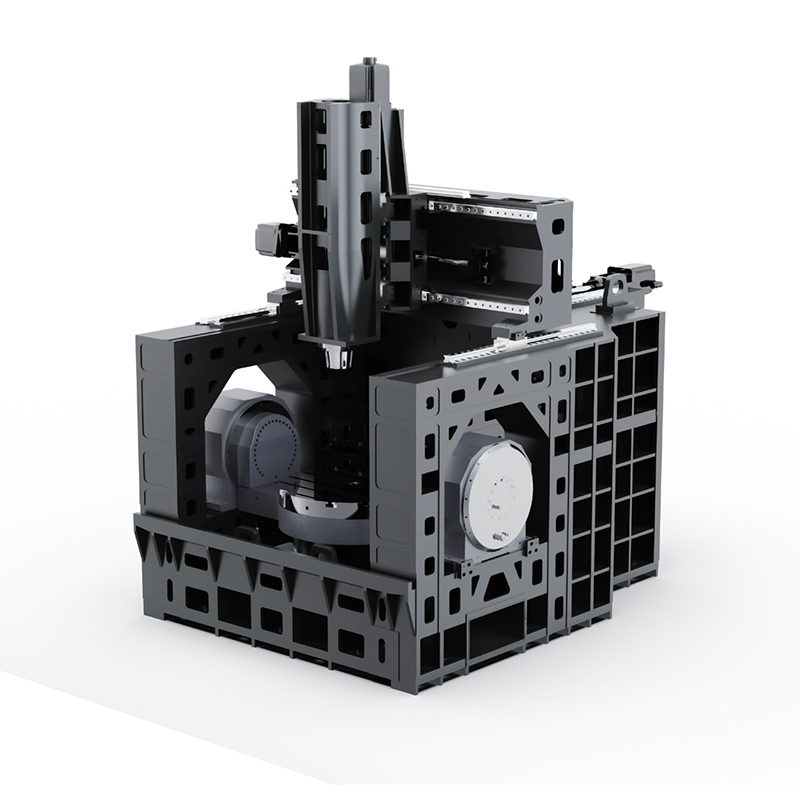
A Máy 5 trục bao gồm ba trục tuyến tính và hai trục quay Để làm cho máy móc trở nên đa năng hơn.
Chi tiết phức tạp nhất có thể được gia công tại các góc độ khác nhau mà không cần di chuyển phôi.
Nó được ứng dụng rộng rãi trong các lĩnh vực hàng không vũ trụ, y tế và kỹ thuật chính xác.
•Ưu điểm: Độ chính xác tối ưu cho các chi tiết phức tạp, ít thao tác thiết lập và gá lắp với chất lượng bề mặt rất tốt.
•Nhược điểm: Giá thành cao kèm theo chi phí bảo trì cao; lập trình phức tạp đòi hỏi người vận hành có kỹ năng.
•Phù hợp nhất cho: Bạn nên mua máy CNC 5 trục khi sản xuất các chi tiết phức tạp, đòi hỏi độ chính xác cao vì độ chính xác và hiệu quả là yếu tố tối quan trọng.
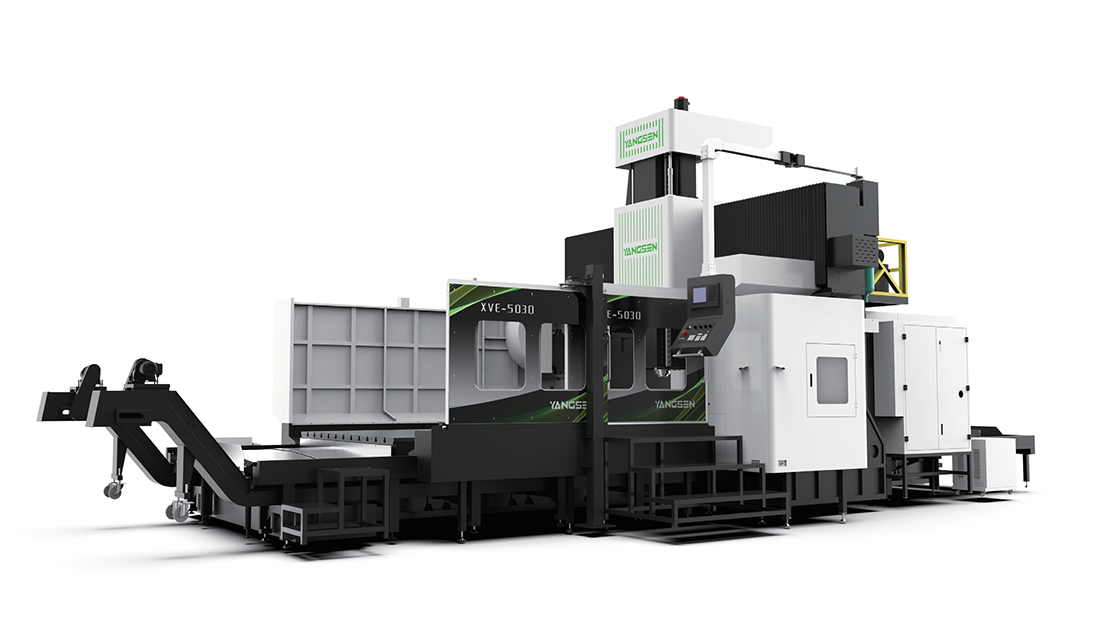
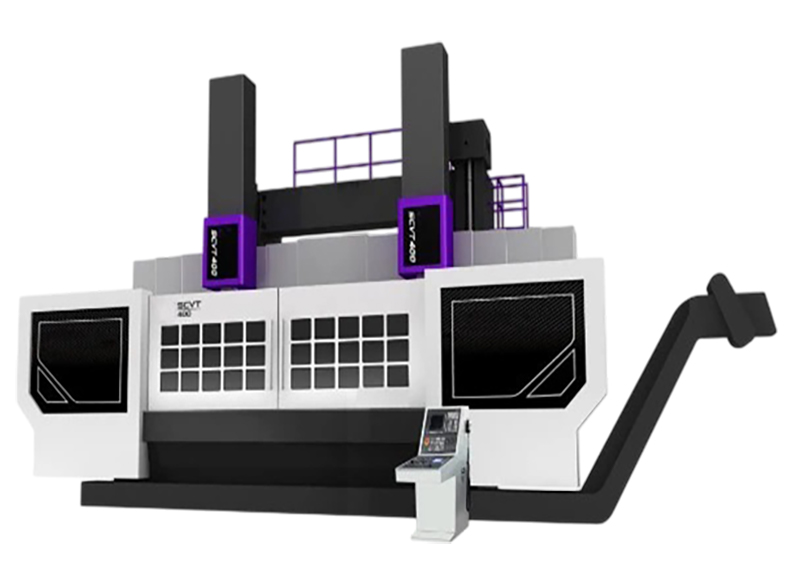
A Máy giàn CNC có mộtcách bố trí cầu, Ở đâuTrục chính di chuyển phía trên phôi gia công cố định.
Vật liệu này có độ cứng tốt và được ưa chuộng cho các bộ phận lớn hoặc nặng.
Máy giàn thường được sử dụng trong ngành hàng không vũ trụ, đóng tàu và sản xuất thiết bị hạng nặng.
•Ưu điểm: Xử lý các chi tiết gia công lớn và nặng, có khả năng rất tốt. độ ổn định cấu trúc cao, giúp tăng độ chính xác trên các khu vực rộng lớn và cao, đồng thời hỗ trợ lực cắt rất cao.
•Nhược điểm:Cần nhiều diện tích sàn, chi phí lắp đặt cao và thời gian thiết lập lâu hơn.
•Phù hợp nhất cho: Nếu bạn làm việc với các chi tiết quá khổ hoặc cần gia công ổn định trên các bề mặt cực lớn, hãy chọn máy CNC kiểu khung giàn.
Việc lựa chọn máy CNC tốt nhất phụ thuộc vào mục tiêu sản xuất, loại vật liệu và ngân sách của bạn. Không có giải pháp nào phù hợp với mọi nhà sản xuất. Hiểu rõ hiệu suất của từng máy trong các điều kiện khác nhau sẽ giúp bạn điều chỉnh khoản đầu tư của mình sao cho phù hợp với nhu cầu vận hành thực tế.
Tiêu chuẩn | Máy phay | Máy tiện CNC | Trung tâm gia công | CNC 5 trục | CNC kiểu khung |
Hình dạng bộ phận | Lăng kính | Hình trụ | Các bộ phận phức tạp | Hình học phức tạp | Các thành phần lớn |
Mức độ chính xác | Cao | Cao | Rất cao | Cực kỳ cao | Cao |
Tự động hóa | Trung bình | Trung bình | Cao | Cao | Trung bình |
Tính linh hoạt trong thiết lập | Tốt | Giới hạn | Xuất sắc | Xuất sắc | Vừa phải |
Yêu cầu về không gian | Vừa phải | Vừa phải | Vừa phải | Cao | Rất cao |
Khoảng giá | Trung bình | Trung bình | Cao | Rất cao | Cao |
Máy phay CNC: Thích hợp nhất cho các xưởng sản xuất quy mô nhỏ đến trung bình, sản xuất nhiều loại linh kiện với thiết kế thay đổi.
Máy tiện CNC: Thích hợp cho sản xuất hàng loạt các linh kiện tròn hoặc đối xứng bởi các nhà sản xuất.
Trung tâm gia công CNC: Phù hợp nhất với các nhà máy cần tốc độ, tự động hóa công việc và sản lượng ổn định trong nhiều hoạt động khác nhau.
Máy CNC 5 trục: Thích hợp nhất cho ngành hàng không vũ trụ, y tế và các ngành công nghiệp chính xác để chế tạo các bộ phận phức tạp.
Máy CNC kiểu giàn: Được sản xuất để phục vụ các công việc nặng nhọc và sản xuất quy mô lớn đòi hỏi độ cứng cao.
Đầu tư vào máy CNC đồng nghĩa với độ bền, vì độ bền cũng quan trọng không kém hiệu suất. Máy sẽ có giá trị tốt hơn về lâu dài, giảm thiểu thời gian ngừng hoạt động nhờ các bộ phận bền bỉ với độ chính xác và ổn định cao.
Các loại máy CNC khác nhau có tuổi thọ dự kiến khác nhau tùy thuộc vào cấu trúc, khối lượng công việc và điều kiện vận hành.
Loại máy CNC | Tuổi thọ dự kiến | Đặc tính độ bền | Tác động của việc bảo trì |
Máy phay CNC | 10–15 năm | Khung cứng cáp, tải trọng cắt vừa phải | Bảo trì định kỳ trục chính và ray dẫn hướng |
Máy tiện CNC | 12–18 tuổi | Tải trọng quay cân bằng, đường chuyển động đơn giản. | Căn chỉnh dụng cụ và bảo dưỡng ổ trục |
Trung tâm gia công CNC | 15–20 năm | Môi trường khép kín được kiểm soát | Bảo trì phòng ngừa là rất quan trọng. |
Máy CNC 5 trục | 12–18 tuổi | Kinema phức tạp, các linh kiện có độ chính xác cao. | Cần hiệu chuẩn bởi chuyên gia. |
Máy CNC kiểu giàn | Hơn 20 năm | Cấu trúc chắc chắn, độ cứng vững cao. | Bảo trì nền móng và đường ray |
Có nhiều yếu tố ảnh hưởng trực tiếp đến thời gian hoạt động ổn định của máy CNC.
• Xây dựng máy móc: Khung gang và khung thép hàn có khả năng chống rung và mài mòn do va đập khá tốt.
• Tải trọng trong quá trình vận hành: Việc cắt gọt liên tục với cường độ cao là kẻ thù tồi tệ nhất của các linh kiện.
• BẢO TRÌ: Việc bôi trơn và kiểm tra thường xuyên có thể kéo dài tuổi thọ của bất kỳ dụng cụ nào.
• Các yếu tố môi trường: Bụi, độ ẩm và nhiệt độ dao động là những yếu tố thúc đẩy sự mài mòn.
• Kiến thức vận hành: Người vận hành giỏi sẽ giảm thiểu tối đa những áp lực cơ học không cần thiết.
• Hiệu chỉnh phần mềm: Việc hiệu chỉnh không đúng cách sẽ gây hư hại cho máy trục, dẫn đến hỏng hóc.
Những máy móc hoạt động trong giới hạn thiết kế sẽ có tuổi thọ cao hơn đáng kể và duy trì được độ chính xác.
Việc lắp đặt máy CNC không chỉ đơn thuần là quyết định kỹ thuật; nó còn có tác động trực tiếp đến hiệu quả, chi phí, chất lượng và sự phát triển.
Việc sở hữu máy móc phù hợp, được thiết kế riêng cho công việc, sẽ giúp tăng năng suất tổng thể và cải thiện thời gian giao hàng bằng cách cho phép hoàn thành công việc với tốc độ tối đa và thời gian ngừng hoạt động tối thiểu.
Máy móc ổn định với khả năng điều khiển trục chính xác sẽ tạo ra các bộ phận có chất lượng đồng nhất; dung sai chặt chẽ hơn được duy trì và bề mặt hoàn thiện tốt hơn có thể đạt được.
Các máy móc hiệu quả hơn sẽ giảm thiểu sự hao mòn và hư hỏng dụng cụ, phế phẩm và công đoạn làm lại, bởi vì bản thân chúng mang lại hiệu quả tiết kiệm chi phí ổn định qua nhiều năm.
Máy móc phù hợp sẽ có thể gia công nhiều loại chi tiết với thiết kế khác nhau mà không cần tốn nhiều thời gian thay đổi dụng cụ.
Các máy CNC hiện đại có các khu vực được bao bọc và hệ thống tự động hóa để giảm thiểu rủi ro cho người vận hành.
Việc cung cấp sản phẩm đáng tin cậy với sự đảm bảo tuyệt đối về chất lượng nhất quán giúp xây dựng mối quan hệ vững chắc với khách hàng.
Những lý do nêu trên có thể khiến nhiều người mua suy nghĩ về các phương pháp ứng dụng khả thi đối với việc đọc sai các loại chữ thường gặp.
1. Liệu máy CNC đắt tiền hơn luôn tốt hơn?
Quan niệm sai lầm: Máy móc đắt tiền hơn sẽ luôn hoạt động tốt hơn.
Thực tế: Một loại máy tốt nhất cho một ứng dụng cụ thể không nhất thiết phải là loại máy đắt nhất.
2. Bạn có luôn cần máy CNC 5 trục không?
Quan niệm sai lầm: Mọi công việc đòi hỏi độ chính xác cao đều cần đến máy gia công 5 trục.
Thực tế:Nhiều chi tiết có thể được sản xuất dễ dàng trên máy 3 trục hoặc 4 trục.
3. Máy tiện CNC chỉ dùng để gia công các chi tiết đơn giản?
Quan niệm sai lầm:Máy tiện CNC thiếu tính linh hoạt.
Thực tế:Các máy tiện CNC hiện đại với dụng cụ cắt tự động có thể thực hiện các thao tác phức tạp.
4. Liệu máy móc lớn hơn luôn cho độ chính xác tốt hơn?
Quan niệm sai lầm:Máy móc lớn có độ chính xác cao hơn máy móc nhỏ.
Thực tế:Độ chính xác của tất cả các máy móc phụ thuộc vào thiết kế, hiệu chuẩn và bảo trì đúng cách.
5. Liệu tự động hóa có loại bỏ nhu cầu về người vận hành có tay nghề cao?
Quan niệm sai lầm:Máy CNC về cơ bản có thể tự vận hành.
Thực tế: Phải luôn có các kỹ thuật viên lành nghề tham gia vào các công việc lập trình và thiết lập máy móc để vận hành sản phẩm, cũng như thực hiện kiểm soát chất lượng.
Để lựa chọn máy CNC phù hợp nhất với nhu cầu vận hành, bạn cần phải xem xét khả năng cụ thể của máy móc và yêu cầu của từng mục đích sử dụng.
Nhóm khách hàng | Nhu cầu cơ bản | Phù hợp với loại CNC | Các tính năng chính |
Các buổi hội thảo nhỏ | Tính linh hoạt, chi phí thấp | Máy phay CNC | Thiết lập đơn giản, đa năng |
Sản xuất hàng loạt | Tốc độ, tính nhất quán | Máy tiện CNC | Chu kỳ nhanh |
Các nhà sản xuất chính xác | Gia công nhiều bước | Trung tâm gia công | Tự động hóa, bộ thay dao |
Hàng không vũ trụ & Y tế | Hình học phức tạp | CNC 5 trục | Gia công đa góc |
Công nghiệp nặng | Các thành phần lớn | Máy CNC kiểu giàn | Độ cứng cao, hành trình lớn |
Các loại máy CNC chính là gì?
Các loại máy chính bao gồm máy phay CNC, máy tiện CNC, trung tâm gia công CNC, máy CNC 5 trục và máy CNC kiểu giàn. Mỗi loại phục vụ các nhu cầu sản xuất khác nhau.
Máy CNC 5 trục có cần thiết cho mọi ngành công nghiệp không?
Không. Máy CNC 5 trục chỉ cần thiết khi sản xuất các hình dạng phức tạp hoặc các chi tiết có nhiều góc cạnh. Nhiều ngành công nghiệp hoạt động hiệu quả với máy 3 trục hoặc 4 trục.
Loại máy CNC nào tốt nhất cho sản xuất số lượng lớn?
Máy tiện CNC và trung tâm gia công CNC rất lý tưởng cho sản xuất số lượng lớn vì chúng mang lại thời gian chu kỳ nhanh và độ lặp lại ổn định.
Máy CNC thường có tuổi thọ bao lâu?
Hầu hết các máy CNC có tuổi thọ từ 10 đến 20 năm, tùy thuộc vào tần suất sử dụng, chất lượng bảo trì và điều kiện vận hành.
Những yếu tố nào ảnh hưởng đến độ chính xác của gia công CNC?
Độ chính xác phụ thuộc vào độ cứng vững của máy, sự thẳng hàng của trục, tình trạng của trục chính, việc hiệu chuẩn đúng cách và kỹ năng của người vận hành.
Máy CNC cần được bảo trì định kỳ như thế nào?
Nên tiến hành kiểm tra định kỳ hàng tuần, bôi trơn hàng tháng và bảo dưỡng phòng ngừa toàn diện hàng năm để đảm bảo hiệu suất lâu dài.
Làm thế nào để chọn máy CNC phù hợp cho doanh nghiệp của bạn?
Trước khi chọn máy CNC, bạn cần cân nhắc loại vật liệu, kích thước chi tiết, khối lượng sản xuất, độ chính xác yêu cầu, không gian có sẵn và ngân sách.
Việc lựa chọn máy CNC phù hợp là một quyết định chiến lược ảnh hưởng đến năng suất, chất lượng và sự phát triển lâu dài. Mỗi loại máy CNC phục vụ một mục đích cụ thể, và việc hiểu rõ sự khác biệt giữa chúng sẽ giúp bạn đầu tư một cách khôn ngoan.
Bằng cách đánh giá vật liệu, khối lượng sản xuất, độ phức tạp của linh kiện và ngân sách, bạn có thể lựa chọn một loại máy móc hỗ trợ hiệu quả các mục tiêu kinh doanh và mang lại hiệu suất ổn định, đáng tin cậy.
Nếu bạn muốn tối ưu hóa quy trình sản xuất của mình, Liên hệ với các chuyên gia CNC của chúng tôi Hãy liên hệ ngay hôm nay để nhận được đề xuất máy móc phù hợp hoặc yêu cầu báo giá dựa trên nhu cầu sản xuất thực tế của bạn.