
Hiệu suất máy CNC của bạn có đáp ứng được kỳ vọng không?
Vấn đề có thể không nằm ở máy của bạn — mà có thể là ở trục chính.
Trong gia công CNC, cần lựa chọn giữa:
Trục chính tốc độ cao (độ chính xác và hoàn thiện cao)
Trục chính mô-men xoắn cao (công suất mạnh mẽ & khả năng cắt vật liệu nặng)
Ảnh hưởng trực tiếp đến hiệu quả công việc, chất lượng bề mặt và tuổi thọ dụng cụ.
Vậy câu hỏi mấu chốt rất đơn giản:
Bạn cần tốc độ hay lực cắt?
Hướng dẫn này sẽ phân tích những điểm khác biệt chính để giúp bạn chọn được trục chính phù hợp với ứng dụng của mình.
Trục chính tốc độ cao được thiết kế để hoạt động ở tốc độ quay rất cao (RPM), thường là 12.000-40.000 RPM hoặc cao hơn, tùy thuộc vào cấu hình máy.
Nhưng vấn đề không chỉ là "quay nhanh hơn".
Đó là về việc đạt được:
Độ chính xác cắt cao hơn
Bề mặt hoàn thiện tốt hơn
Hiệu năng ổn định ở tốc độ cao
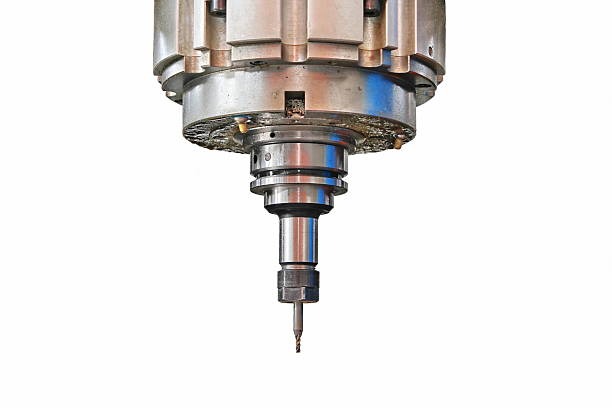
Tùy thuộc vào cấu trúc và ứng dụng, trục chính tốc độ cao thường được chia thành các loại sau:
Trục chính có động cơ (tích hợp sẵn)
Động cơ được tích hợp trực tiếp vào trục chính.
Thích hợp nhất cho gia công tốc độ cực cao và độ chính xác cao.
Trục chính tốc độ cao dẫn động bằng dây đai
Sử dụng hệ thống truyền động bằng dây đai để tăng tốc độ.
Tiết kiệm chi phí hơn, nhưng độ chính xác hơi thấp hơn.
Trục chính làm mát bằng không khí / dầu / nước
Được thiết kế để kiểm soát nhiệt độ ở tốc độ vòng quay cao.
Cần thiết để duy trì độ chính xác và tuổi thọ sản phẩm.
Giao diện công cụ tốc độ cao (HSK / BT30 / BT40)
Được tối ưu hóa cho việc kẹp và cân bằng dụng cụ tốc độ cao.
Để hoạt động ở tốc độ quay cao, cấu trúc trục chính rất khác so với các trục chính tiêu chuẩn:
Thiết kế động cơ tích hợp
Giảm tổn thất truyền dẫn và cải thiện khả năng phản hồi.
Vòng bi độ chính xác cao (thường là vòng bi gốm)
Khả năng ma sát thấp hơn, tốc độ cao hơn
Hệ thống cân bằng động
Giảm thiểu rung động ở tốc độ quay cao
Hệ thống kiểm soát nhiệt
Ngăn ngừa sự giãn nở nhiệt ảnh hưởng đến độ chính xác.
Nói một cách đơn giản:
Trục chính tốc độ cao được chế tạo để đảm bảo độ chính xác, độ ổn định và khả năng quay trơn tru.
Hãy tự hỏi bản thân:
Bạn đang gia công nhôm, đồng hay than chì?
Bạn có cần bề mặt hoàn thiện mịn mà không cần đánh bóng lại lần thứ hai không?
Bạn đang làm việc với khuôn mẫu, bề mặt 3D hoặc các đường cong phức tạp?
Nếu câu trả lời của bạn là có, thì trục chính tốc độ cao là sự lựa chọn phù hợp.
Bởi vì ở tốc độ cao hơn:
Lực cắt thấp hơn
Việc tương tác với công cụ diễn ra mượt mà hơn.
Chất lượng bề mặt được cải thiện đáng kể
Thuận lợi | Nhược điểm |
Bề mặt hoàn thiện tuyệt vời | Mô-men xoắn hạn chế ở vòng tua thấp |
Lý tưởng cho gia công chính xác | Không thích hợp cho việc cắt vật nặng. |
Hiệu quả cao hơn cho các dụng cụ nhỏ | Chi phí cao hơn do sử dụng các linh kiện chính xác. |
Giảm lực cắt và độ rung | Nhạy cảm với quá tải và nhiệt độ |
Trục chính mô-men xoắn cao được thiết kế để tạo ra lực cắt mạnh ở tốc độ thấp hơn, thường từ 3.000 đến 12.000 vòng/phút, tùy thuộc vào máy và cấu hình.
Khác với các trục chính tốc độ cao tập trung vào tốc độ quay, các trục chính mô-men xoắn cao tập trung vào công suất, độ ổn định và khả năng loại bỏ vật liệu.
Điều này có nghĩa là chúng được chế tạo để xử lý:
Tải trọng cắt nặng
Vật liệu cứng
Dụng cụ đường kính lớn
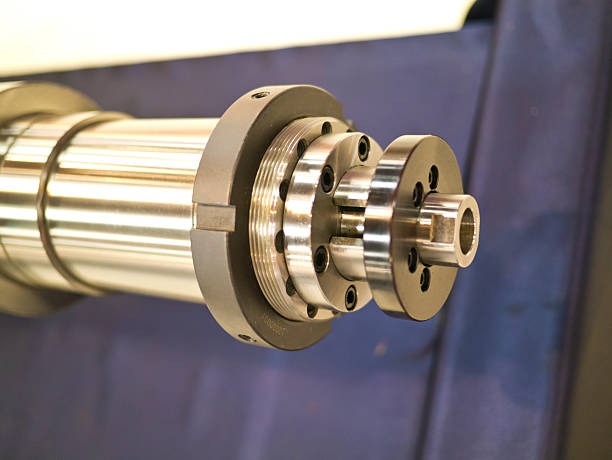
Trục chính mô-men xoắn cao thường được phân loại dựa trên cấu trúc truyền động của chúng:
Trục chính truyền động bằng bánh răng
Sử dụng hộp số để khuếch đại mô-men xoắn
Thích hợp cho gia công cơ khí hạng nặng và cắt sâu.
Trục chính truyền động bằng dây đai
Cung cấp sự cân bằng giữa tốc độ và mô-men xoắn.
Linh hoạt hơn và tiết kiệm chi phí hơn
Trục chính truyền động trực tiếp mô-men xoắn cao
Cung cấp mô-men xoắn mà không cần hộp số cơ khí.
Mang lại khả năng phản hồi tốt hơn và độ rung thấp hơn.
Giao diện công cụ hạng nặng
Được thiết kế để hỗ trợ các dụng cụ cắt lớn và tải trọng cao.
Để tạo ra mô-men xoắn cao hơn, cấu trúc trục chính được gia cố theo nhiều cách:
Hộp số hoặc Hệ thống truyền động gia cường
Tăng mô-men xoắn đầu ra cho việc cắt vật nặng.
Trục chính đường kính lớn
Tăng độ cứng và khả năng chịu tải
Vòng bi chịu tải cao
Được thiết kế để chịu được lực cắt và va đập.
Vỏ trục cứng
Tăng cường độ ổn định trong quá trình gia công sâu và mạnh.
Nói một cách đơn giản, trục chính mô-men xoắn cao được chế tạo để có độ bền, độ cứng và độ chắc chắn cao khi chịu tải.
Hãy tự hỏi bản thân:
Bạn đang gia công thép, thép không gỉ hay gang?
Các chi tiết của bạn có yêu cầu cắt sâu hoặc tốc độ loại bỏ vật liệu cao không?
Bạn có đang sử dụng các dụng cụ cắt lớn hoặc gia công các chi tiết nặng không?
Nếu câu trả lời là có, thì trục chính có mô-men xoắn cao là lựa chọn tốt hơn.
Bởi vì trong những điều kiện này:
Khả năng chống cắt cao
Tính ổn định trở nên quan trọng
Mô-men xoắn ảnh hưởng trực tiếp đến hiệu suất và tuổi thọ của dụng cụ.
Trục chính tốc độ cao có thể gặp khó khăn ở đây, nhưng trục chính mô-men xoắn cao được thiết kế chính xác cho loại công việc này.
Thuận lợi | Nhược điểm |
Khả năng cắt mạnh mẽ | Tốc độ tối đa thấp hơn |
Thích hợp cho vật liệu cứng | Bề mặt hoàn thiện có thể cần được xử lý thêm. |
Ổn định dưới tải trọng nặng | Kém hiệu quả hơn đối với các dụng cụ nhỏ và công đoạn hoàn thiện tinh xảo. |
Hỗ trợ các loại dao cắt đường kính lớn. | Cấu trúc nặng hơn và gia tốc chậm hơn |
Việc lựa chọn giữa trục chính tốc độ cao và trục chính mô-men xoắn cao không chỉ đơn thuần là dựa trên thông số kỹ thuật.
Điều này ảnh hưởng trực tiếp đến hiệu quả gia công, chất lượng bề mặt và tổng chi phí sản xuất của bạn.
Để giúp việc lựa chọn dễ dàng hơn, hãy cùng phân tích những điểm khác biệt chính thực sự quan trọng trong sản xuất thực tế.
Trục chính tốc độ cao
Thường sử dụng cấu trúc có động cơ (tích hợp) với thiết kế nhỏ gọn.
Tập trung vào việc giảm trọng lượng, quán tính và độ rung ở tốc độ quay cao.
Trục chính mô-men xoắn cao
Thường sử dụng hệ thống truyền động bằng bánh răng hoặc truyền động bằng dây đai gia cường.
Được thiết kế với trục lớn hơn và vỏ chắc chắn hơn để tăng độ cứng vững.
Nói một cách đơn giản:
Tốc độ cao được thiết kế để quay trơn tru, mô-men xoắn cao được thiết kế để đảm bảo độ bền và ổn định.
Trục chính tốc độ cao
Phù hợp hơn cho:
Nhôm, đồng, than chì
Dụng cụ nhỏ và các bộ phận chính xác
Các bề mặt phức tạp và các công đoạn hoàn thiện
Trục chính mô-men xoắn cao
Phù hợp hơn cho:
Thép, thép không gỉ, gang
Các công cụ lớn và các bộ phận nặng
Các quy trình cắt sâu và gia công thô
Nếu vật liệu của bạn cứng hoặc chi tiết của bạn lớn, khả năng tương thích trở nên vô cùng quan trọng.
Trục chính tốc độ cao
Thường có giá cao hơn do:
Vòng bi độ chính xác cao
Hệ thống làm mát
Yêu cầu cân bằng động
Trục chính mô-men xoắn cao
Hiệu quả chi phí hơn đối với gia công cơ khí hạng nặng, đặc biệt khi:
Cần phải loại bỏ vật liệu với mức độ cao.
Tuổi thọ dụng cụ là một yếu tố quan trọng.
Sự khác biệt thực sự không chỉ nằm ở giá cả, mà còn ở cách mỗi trục chính đóng góp vào lợi nhuận đầu tư của bạn.
Trục chính tốc độ cao
Cần lắp ráp và căn chỉnh chính xác.
Điều kiện lắp đặt khắt khe hơn do tính nhạy cảm với rung động và nhiệt độ.
Trục chính mô-men xoắn cao
Bền hơn và dễ dàng tích hợp vào các máy móc hạng nặng.
Thích hợp hơn cho các trung tâm gia công lớn và hệ thống ổn định.
Trục chính tốc độ cao
Cần kiểm soát cẩn thận các yếu tố sau:
Nhiệt độ
Bôi trơn
Điều kiện tải
Sử dụng không đúng cách có thể nhanh chóng ảnh hưởng đến độ chính xác và tuổi thọ.
Trục chính mô-men xoắn cao
Khả năng chịu tải tốt hơn trong điều kiện tải nặng, nhưng:
Hệ thống bánh răng cần được bảo trì định kỳ.
Việc theo dõi độ bền trong thời gian dài là cần thiết.
Nhân tố | Trục chính tốc độ cao | Trục chính mô-men xoắn cao |
RPM | Cao (12.000–40.000) | Thấp–Trung bình (3.000–12.000) |
Mô-men xoắn | Thấp | Cao |
Loại cắt | Cắt/hoàn thiện nhẹ | Cắt thô/gia công thô |
Hoàn thiện bề mặt | Xuất sắc | Vừa phải |
Kích thước công cụ | Dụng cụ nhỏ | Công cụ lớn |
Nguyên vật liệu | Kim loại mềm | Kim loại cứng |
Kết cấu | Có động cơ, nhỏ gọn | Truyền động bằng bánh răng/dây đai, cứng cáp |
Độ ổn định khi chịu tải | Thấp hơn | Cao hơn |
Việc lựa chọn giữa trục chính tốc độ cao và trục chính mô-men xoắn cao không phải là vấn đề cái nào tốt hơn.
Điều quan trọng là chọn loại nào phù hợp với nhu cầu sản xuất thực tế của bạn.
Nếu bạn chọn sai loại trục chính, bạn có thể gặp phải:
Hiệu suất thấp hơn
Chất lượng bề mặt kém
Chi phí công cụ tăng cao
Vì vậy, trước khi đưa ra quyết định, hãy xem xét kỹ các yếu tố quan trọng dưới đây.
Hãy bắt đầu với nhiệm vụ gia công chính của bạn.
Nếu công việc của bạn tập trung vào:
Hoàn thiện khuôn
Gia công đường viền 3D
Các bộ phận chính xác
Trục chính tốc độ cao sẽ phù hợp hơn.
Nếu công việc của bạn liên quan đến:
Xử lý thô nặng
Các thành phần cấu trúc
Các chi tiết gia công lớn
Trục chính có mô-men xoắn cao là lựa chọn tốt hơn.
Trục chính của bạn phải phù hợp với vật liệu và dụng cụ bạn sử dụng.
Trục chính tốc độ cao:
Sản phẩm này phù hợp nhất với chất liệu mềm.
Thích hợp cho các dụng cụ có đường kính nhỏ.
Trục chính mô-men xoắn cao:
Được thiết kế cho vật liệu cứng
Hỗ trợ các loại máy cắt lớn và tải trọng cao.
Sự không khớp ở đây thường dẫn đến mòn dụng cụ hoặc gia công không ổn định.
Hãy suy nghĩ về quy trình sản xuất các bộ phận của bạn.
Độ chính xác cao và hoàn thiện tinh xảo
Trục chính tốc độ cao:
Cắt sâu và loại bỏ vật liệu cao
Trục chính mô-men xoắn cao:
Nếu quy trình của bạn bao gồm cả hai giai đoạn, bạn có thể cần một phương pháp kết hợp.
Đừng đánh giá chỉ dựa trên giá ban đầu.
Trục chính tốc độ cao:
Chi phí ban đầu cao hơn
Tăng giá trị thông qua độ chính xác và chất lượng hoàn thiện.
Trục chính mô-men xoắn cao:
Hiệu quả hơn khi cắt vật liệu nặng.
Kiểm soát chi phí tốt hơn trong sản xuất hàng loạt
Điều quan trọng là phải đánh giá chi phí trên mỗi bộ phận, chứ không chỉ giá máy móc.
Ngân sách của bạn nên bao gồm nhiều hơn chi phí thiết bị.
Coi như:
Mức tiêu thụ công cụ
Thời gian chu kỳ
Khối lượng sản xuất
Tỷ lệ phế liệu
Đôi khi, trục chính có giá thành cao hơn thực sự có thể giúp giảm tổng chi phí sản xuất của bạn.
Đây là điểm mà nhiều quyết định bị sai lầm.
Hãy tự hỏi bản thân:
Bạn có cần sự ổn định lâu dài dưới tải trọng lớn không?
Bạn có cần độ chính xác ổn định theo thời gian không?
Thời gian ngừng hoạt động có phải là mối lo ngại lớn trong quá trình sản xuất của bạn không?
Trục chính tốc độ cao:
Cần bảo trì nghiêm ngặt hơn
Nhạy cảm với quá tải và nhiệt độ
Trục chính mô-men xoắn cao:
Bền hơn trong điều kiện khắc nghiệt.
Dễ quản lý hơn trong các chu kỳ sản xuất dài.
Xét từ góc độ lợi tức đầu tư (ROI):
Tốc độ cao → Giá trị cao hơn cho các bộ phận chính xác
Mô-men xoắn cao → Hiệu suất cao hơn cho sản xuất hàng loạt
Trong nhiều ứng dụng thực tế, giải pháp tốt nhất không phải là chọn cái này hay cái kia, mà là kết hợp cả hai:
Mô-men xoắn cao cho gia công thô
Tốc độ cao để hoàn thành
Cách tiếp cận này tối ưu hóa cả hiệu quả và chất lượng.
Một trục chính có thể đáp ứng cả tốc độ cao và mô-men xoắn cao không?
Về lý thuyết thì đúng vậy. Một số trục chính hiện đại được thiết kế để cung cấp phạm vi tốc độ và mô-men xoắn rộng hơn.
Tuy nhiên, trong thực tế sản xuất:
Trục chính tốc độ cao được tối ưu hóa cho độ chính xác và độ hoàn thiện.
Trục chính mô-men xoắn cao được tối ưu hóa cho việc cắt vật liệu nặng.
Trục chính lai có thể mang lại sự linh hoạt, nhưng thường không thể sánh được với hiệu suất của trục chính chuyên dụng trong điều kiện khắc nghiệt.
Nếu ứng dụng của bạn tập trung rõ ràng vào một loại gia công cụ thể, thì trục chính chuyên dụng vẫn là lựa chọn tốt hơn.
Loại trục chính nào tốt hơn cho việc gia công khuôn mẫu?
Điều đó phụ thuộc vào giai đoạn gia công.
Giai đoạn gia công thô → Trục chính momen xoắn cao giúp gia công vật liệu hiệu quả
Giai đoạn hoàn thiện → Trục chính tốc độ cao để đảm bảo chất lượng bề mặt
Đối với hầu hết các nhà sản xuất khuôn mẫu, sự kết hợp của cả hai phương pháp sẽ mang lại kết quả tốt nhất.
Tại sao trục chính của tôi lại gặp khó khăn khi cắt vật liệu nặng hoặc gây rung lắc?
Đây thường là dấu hiệu cho thấy trục chính không cung cấp đủ mô-men xoắn.
Các nguyên nhân phổ biến bao gồm:
Sử dụng trục chính tốc độ cao cho vật liệu cứng
Độ cứng không đủ để chịu tải cắt.
Kích thước dụng cụ vượt quá khả năng của trục chính.
Việc chuyển sang sử dụng trục chính có mô-men xoắn cao có thể cải thiện đáng kể độ ổn định và hiệu suất cắt.
Tốc độ quay cao hơn có luôn tốt hơn cho việc gia công cơ khí không?
Không. Tốc độ quay cao hơn giúp cải thiện tốc độ cắt, nhưng chỉ khi được sử dụng trong điều kiện phù hợp.
Nếu không có đủ mô-men xoắn:
Lực cắt giảm
Sự hao mòn dụng cụ tăng lên
Hiệu suất giảm
Mấu chốt nằm ở việc cân bằng tốc độ và mô-men xoắn dựa trên vật liệu và độ sâu cắt.
Loại trục nào tốt hơn cho nhôm so với thép?
Nhôm, đồng, than chì → Trục chính tốc độ cao
Thép, thép không gỉ, gang → Trục chính mô-men xoắn cao
Việc sử dụng trục chính không phù hợp với vật liệu có thể dẫn đến hiệu suất kém và chi phí cao hơn.
Lựa chọn trục chính nào tiết kiệm chi phí nhất?
Phương án tiết kiệm chi phí nhất không phải là trục chính rẻ nhất, mà là phương án mang lại hiệu quả cao nhất:
Hiệu suất ổn định
Tuổi thọ dụng cụ dài hơn
Hiệu quả cao hơn
Chi phí mỗi bộ phận thấp hơn
Trong nhiều trường hợp:
Trục chính tốc độ cao mang lại giá trị trong các ngành công nghiệp chính xác.
Trục chính mô-men xoắn cao mang lại giá trị trong gia công cơ khí nặng.
Sự khác biệt giữa trục chính tốc độ cao và trục chính mô-men xoắn cao nằm ở một điều duy nhất — đó là nhu cầu thực tế của quá trình gia công.
Trục chính tốc độ cao được chế tạo để đạt độ chính xác và chất lượng bề mặt tốt, trong khi trục chính mô-men xoắn cao được thiết kế để có độ bền cao và khả năng cắt vật liệu nặng.
Việc lựa chọn đúng loại trục chính có nghĩa là phải phù hợp với vật liệu, dụng cụ và mục tiêu sản xuất của bạn.
Bạn vẫn chưa chắc chắn loại trục chính nào phù hợp với ứng dụng của mình?
Hãy chia sẻ yêu cầu gia công của bạn với chúng tôi, và chúng tôi sẽ giúp bạn tìm ra giải pháp phù hợp nhất.