Khoan chính xác là một trong những thao tác quan trọng nhất trong gia công CNC. Ngay cả một sai sót nhỏ trong định vị cũng có thể ảnh hưởng đến độ chính xác của lỗ, độ nhẵn bề mặt, chất lượng lắp ráp và hiệu suất gia công tổng thể. Đó là lý do tại sao các thợ máy thường sử dụng mũi khoan định vị hoặc mũi khoan tâm trước khi bắt đầu các thao tác khoan.
Mặc dù các dụng cụ này trông có vẻ giống nhau, nhưng chúng được thiết kế cho các ứng dụng hoàn toàn khác nhau. Mũi khoan điểm chủ yếu được sử dụng để định vị lỗ chính xác và ngăn ngừa hiện tượng trượt mũi khoan, trong khi mũi khoan tâm chủ yếu được thiết kế cho các lỗ tâm trên máy tiện và các thao tác tiện. Hiểu được sự khác biệt giữa mũi khoan điểm và mũi khoan tâm giúp cải thiện độ chính xác gia công, tăng tuổi thọ dụng cụ và giảm các lỗi sản xuất tốn kém trong môi trường sản xuất CNC hiện đại.
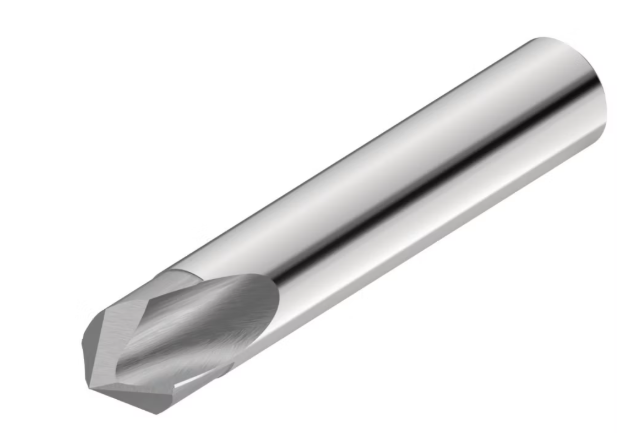
Mũi khoan định vị là dụng cụ cắt chuyên dụng được thiết kế để tạo điểm bắt đầu chính xác trước khi mũi khoan xoắn đi vào vật liệu. Mục đích chính của chúng là ngăn ngừa hiện tượng mũi khoan lệch hướng và cải thiện độ chính xác vị trí lỗ trong quá trình khoan CNC.
Khác với các mũi khoan tiêu chuẩn, mũi khoan định vị cực kỳ ngắn và cứng cáp. Cấu trúc cứng cáp này giúp giảm thiểu độ lệch của dụng cụ và cho phép người gia công tạo ra các vị trí lỗ có độ chính xác cao, đặc biệt trong các ứng dụng gia công chính xác.
Mũi khoan định vị tạo ra một vết lõm hình nón nông trên bề mặt phôi trước khi bắt đầu khoan. Vết lõm này dẫn hướng mũi khoan tiếp theo vào đúng vị trí và giảm nguy cơ khoan sai vị trí.
Bài tập tấn công điểm thường được sử dụng trong:
Mũi khoan điểm có thiết kế hình học một góc với lõi dày. Chiều dài tổng thể ngắn giúp chúng có độ cứng vượt trội so với các loại mũi khoan tiêu chuẩn hoặc mũi khoan tâm.
Các góc khoan điểm phổ biến bao gồm:
Góc mũi khoan thường được chọn dựa trên góc của mũi khoan xoắn tiếp theo. Trong hầu hết các thao tác gia công, góc mũi khoan định tâm nên bằng hoặc lớn hơn một chút so với góc mũi khoan xoắn.
Tính năng | Sự miêu tả |
Cấu trúc công cụ | Ngắn và cứng |
Hình học | Thiết kế góc đơn |
Góc thông thường | 90°, 120°, 140° |
Độ dày lõi | Lõi dày giúp ổn định |
Mục đích chính | Định vị mũi khoan chính xác |
Độ sâu điển hình | Độ sâu phát hiện nông |
Khi mũi khoan định vị chạm vào bề mặt vật liệu, nó tạo ra một rãnh hình nón chính xác để dẫn hướng mũi khoan tiếp theo. Điều này ngăn mũi khoan trượt trên phôi trong quá trình tiếp xúc ban đầu. Nếu không định vị đúng cách, mũi khoan có thể:
Thân máy cứng vững của mũi khoan định tâm cho phép cắt ổn định ngay cả ở tốc độ trục chính cao. Điều này làm cho mũi khoan định tâm trở nên lý tưởng cho môi trường CNC, nơi độ lặp lại và độ chính xác định vị là rất quan trọng.
Mũi khoan định vị được sử dụng rộng rãi trong các ngành công nghiệp đòi hỏi độ chính xác cao vì chúng giúp cải thiện tính nhất quán khi khoan và giảm thiểu sai sót trong gia công.
Các bài tập tấn công điểm được sử dụng rộng rãi trong Máy phay CNC Để tạo ra các vị trí bắt đầu chính xác trước khi bắt đầu chu trình khoan. Các thao tác CNC đòi hỏi dung sai chặt chẽ, và khoan điểm giúp duy trì tính nhất quán về vị trí trên nhiều chi tiết.
Các bộ phận hàng không vũ trụ thường yêu cầu định vị lỗ cực kỳ chính xác. Mũi khoan định vị giúp giảm độ lệch của mũi khoan và cải thiện độ lặp lại khi gia công các bộ phận quan trọng.
Các nhà sản xuất ô tô sử dụng mũi khoan định vị để cải thiện tốc độ sản xuất và độ chính xác khi khoan trong các hoạt động gia công khối lượng lớn.
Nhiều thợ máy cũng sử dụng mũi khoan định vị 90° để vát mép nhẹ. Điều này cho phép hoàn thành việc định vị và vát mép trong một thao tác duy nhất, giảm thời gian chu kỳ.
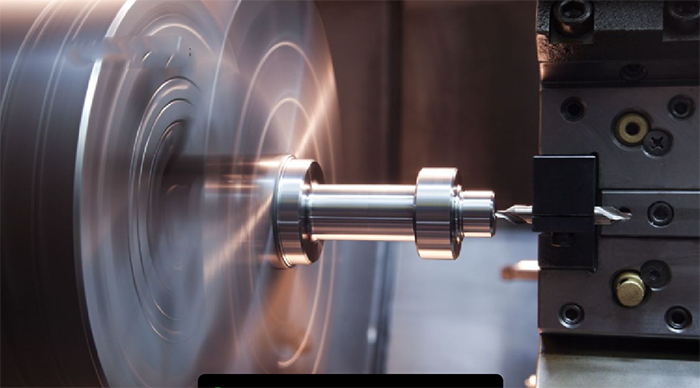
Mũi khoan tâm là dụng cụ chuyên dụng được thiết kế chủ yếu để tạo lỗ tâm trên máy tiện. Các lỗ tâm này đỡ phôi giữa hai tâm trong quá trình gia công tiện. Mặc dù một số thợ máy sử dụng mũi khoan tâm để định vị phôi, nhưng ban đầu chúng không được thiết kế để định vị lỗ chính xác trong gia công CNC.
Mũi khoan tâm là dụng cụ kết hợp giữa khoan và khoét lỗ, được sử dụng để tạo các lỗ tâm chính xác cho các ứng dụng tiện. Dụng cụ này gồm hai phần cắt:
Thiết kế này tạo ra một lỗ ở giữa, cho phép căn chỉnh và hỗ trợ chính xác trong quá trình gia công trên máy tiện.
Khác với mũi khoan định tâm, mũi khoan tâm sử dụng thiết kế hình học bậc thang. Đầu mũi nhỏ cắt trước, sau đó là phần khoét lỗ. Hầu hết các mũi khoan tâm sử dụng góc nghiêng tiêu chuẩn 60° vì góc này phù hợp với cấu hình tâm máy tiện thông thường.
Tính năng | Sự miêu tả |
Cấu trúc công cụ | Hình học bậc thang |
Thiết kế đầu mũi | Đầu mũi khoan + lỗ chìm |
Góc chung | 60° |
Độ cứng | Thấp hơn các bài tập tại chỗ |
Mục đích chính | Lỗ tâm máy tiện |
Sử dụng điển hình | Các thao tác tiện |
Mũi khoan tâm tạo ra các lỗ cho phép phôi quay chính xác giữa hai tâm trên máy tiện. Đầu dẫn hướng bắt đầu quá trình cắt trong khi phần vát mép tạo ra góc đỡ cho tâm máy tiện. Chúng có đầu dẫn hướng mỏng, dễ gãy hơn mũi khoan điểm và dễ bị vỡ hơn dưới tải trọng ngang hoặc áp lực tiến dao quá lớn.
Mũi khoan tâm chủ yếu được sử dụng trong gia công cơ khí truyền thống và các hoạt động tiện.
Các thao tác tiện
Mũi khoan tâm tạo ra các lỗ đỡ cho trục và các chi tiết hình trụ trong quá trình gia công trên máy tiện.
Gia công trục
Các trục dài cần có giá đỡ ở giữa để ngăn ngừa rung động và duy trì độ đồng tâm trong quá trình quay.
Môi trường gia công thủ công
Trong các xưởng gia công cơ khí thủ công, mũi khoan tâm vẫn được sử dụng phổ biến vì chúng kết hợp cả chức năng khoan và khoét lỗ vào cùng một dụng cụ.
Thiết lập máy tiện truyền thống
Mũi khoan tâm vẫn là công cụ thiết yếu để chuẩn bị phôi gia công giữa hai tâm.
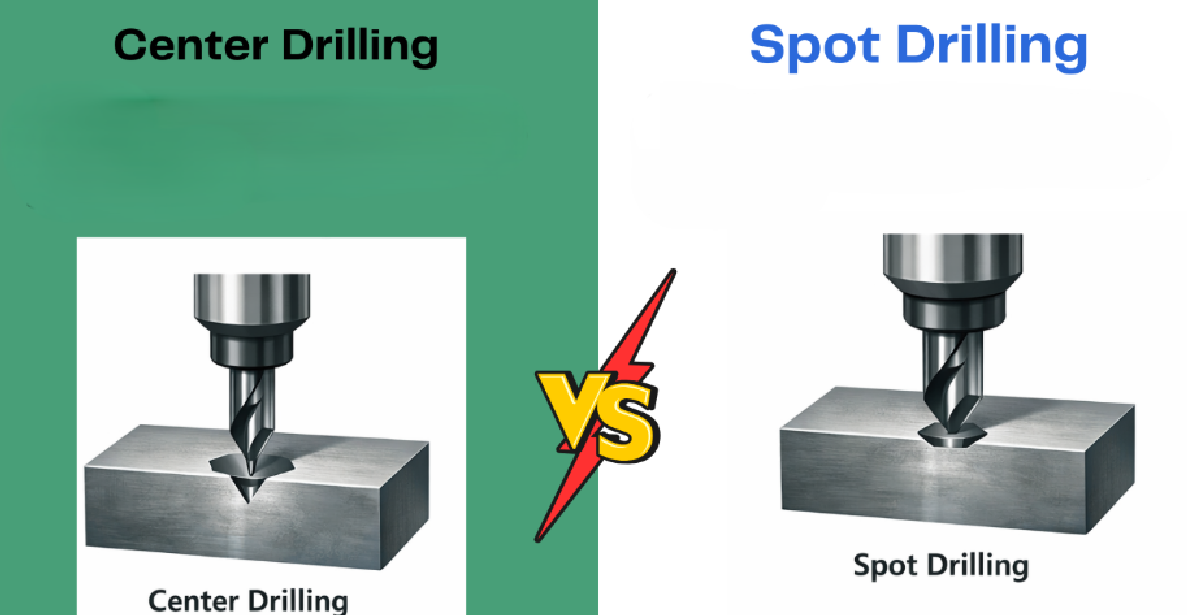
Mặc dù mũi khoan định tâm và mũi khoan tâm có vẻ giống nhau, nhưng hình dạng, độ bền, ứng dụng và hiệu suất gia công của chúng hoàn toàn khác biệt.
Sự khác biệt lớn nhất nằm ở hình dạng hình học của dụng cụ. Mũi khoan điểm sử dụng thiết kế góc đơn với cấu trúc lõi dày. Điều này giúp cải thiện độ cứng và giảm độ lệch của dụng cụ. Mũi khoan tâm sử dụng hình dạng hai bước với phần dẫn hướng mỏng và phần vát mép. Mặc dù hiệu quả đối với tâm máy tiện, thiết kế này lại yếu hơn trong các ứng dụng khoan điểm CNC.
Mũi khoan điểm có độ cứng vững cao hơn đáng kể do thân ngắn và lõi dày. Mũi khoan tâm có độ cứng vững thấp hơn vì đầu dẫn hướng mỏng và dễ gãy. Dưới áp lực cấp liệu lớn hoặc tải trọng ngang, đầu dẫn hướng có thể dễ dàng bị sứt mẻ hoặc gãy.
Tính năng | Luyện tập tại chỗ | Bài tập trung tâm |
Độ dày lõi | Dày | Gầy |
Độ cứng của dụng cụ | Rất cao | Vừa phải |
Khả năng chống rung | Xuất sắc | Thấp hơn |
Rủi ro vỡ | Thấp | Cao hơn |
Độ ổn định CNC | Xuất sắc | Vừa phải |
Mũi khoan định vị mang lại độ chính xác vị trí lỗ vượt trội vì chúng tạo ra điểm bắt đầu ổn định cho mũi khoan tiếp theo. Mũi khoan tâm kém chính xác hơn trong việc định vị vì đầu mũi khoan có thể bị uốn cong trước khi phần vát mép ăn khớp đúng cách. Trong gia công CNC, ngay cả độ lệch nhỏ cũng có thể tạo ra sai số vị trí đáng kể, đặc biệt là trong các ứng dụng đòi hỏi độ chính xác cao.
Mũi khoan định vị thường có tuổi thọ cao hơn vì chúng chắc chắn hơn và được thiết kế cho các hoạt động CNC tốc độ cao. Mũi khoan định vị bằng carbide có thể duy trì hiệu suất cắt ngay cả khi gia công các vật liệu cứng hơn như:
Mũi khoan tâm bị mòn nhanh hơn vì đầu mũi dẫn hướng chịu lực cắt tập trung trong quá trình hoạt động.
Ngay cả những thợ máy giàu kinh nghiệm cũng mắc sai lầm khi lựa chọn hoặc sử dụng dụng cụ định vị và khoan tâm. Những lỗi này có thể làm giảm độ chính xác của lỗ, rút ngắn tuổi thọ dụng cụ và tăng chi phí sản xuất. Hiểu rõ các vấn đề thường gặp nhất giúp cải thiện tính nhất quán trong các hoạt động gia công CNC.
Một trong những sai lầm lớn nhất là sử dụng mũi khoan tâm để định vị lỗ với độ chính xác cao. Mặc dù mũi khoan tâm có thể tạo điểm bắt đầu, nhưng chúng chủ yếu được thiết kế cho các lỗ tâm trên máy tiện. Đầu dẫn hướng mỏng của chúng rất dễ gãy và có thể bị uốn cong hoặc gãy dưới tác động của tải trọng ngang. Trong các trung tâm gia công CNC, điều này thường dẫn đến:
Các mũi khoan định vị có độ cứng cao hơn và cho độ chính xác vị trí tốt hơn nhờ hình dạng ngắn và dày của chúng.
Một vấn đề phổ biến khác là góc khoan định tâm không khớp với góc khoan xoắn. Nếu góc khoan định tâm nhỏ hơn góc mũi khoan, các cạnh cắt ngoài của mũi khoan sẽ tiếp xúc với vật liệu trước khi đến tâm. Điều này tạo ra tải trọng xung kích và có thể làm sứt mẻ mũi khoan cacbua.
Góc khoan xoắn | Góc khoan điểm được đề xuất |
118° | Khoan điểm 120° |
135° | Khoan điểm 140° |
Mũi khoan vát cạnh 90° | Khoan điểm 90° |
Sử dụng góc khoan định tâm bằng hoặc lớn hơn một chút so với góc khoan xoắn sẽ cải thiện độ chính xác khi định tâm và giảm ứng suất khi cắt.
Nhiều người vận hành thường lập trình độ sâu khoan định vị quá mức. Máy khoan định vị chỉ cần tạo đủ độ bám để dẫn hướng mũi khoan tiếp theo. Độ sâu quá mức có thể gây ra:
Đối với hầu hết các thao tác, độ sâu vết thương nông từ 0,3 mm đến 1,5 mm là đủ.
Mũi khoan dài dễ uốn cong và dễ bị lệch hướng khi tiếp xúc ban đầu. Cố gắng khoan trực tiếp vào vật liệu cứng mà không định vị thường xuyên sẽ gây ra sai lệch vị trí. Khi sử dụng mũi khoan có chiều dài tiêu chuẩn:
Mũi khoan ngắn hoặc mũi khoan có chiều dài tiêu chuẩn thường yêu cầu ít thao tác định vị hơn do độ cứng cao hơn của chúng.
Tuân thủ các quy trình gia công đã được chứng minh giúp cải thiện chất lượng lỗ, độ lặp lại và tuổi thọ dụng cụ.
Mũi khoan điểm bằng cacbua mang lại:
Chúng đặc biệt hiệu quả trong các trường hợp sau:
Đối với các vật liệu mềm hơn như nhôm, mũi khoan định vị bằng thép tốc độ cao vẫn có thể hoạt động hiệu quả.
Ngay cả máy khoan định vị tốt nhất cũng không thể hoạt động chính xác nếu độ lệch trục chính quá lớn. Để cải thiện độ chính xác:
Độ lệch tâm thấp giúp duy trì độ đồng tâm và kéo dài tuổi thọ dụng cụ.
Việc thiết lập tốc độ trục chính và tốc độ tiến dao không chính xác là những nguyên nhân chính gây ra hỏng hóc dụng cụ sớm.
Vật liệu | Tốc độ bề mặt | Tốc độ cấp liệu |
Thép nhẹ | 60–120 m/phút | 0,03–0,08 mm/vòng |
Thép không gỉ | 40–80 m/phút | 0,02–0,06 mm/vòng |
Nhôm | 120–250 m/phút | 0,05–0,12 mm/vòng |
Các thông số thực tế phụ thuộc vào vật liệu dụng cụ, lớp phủ, độ cứng và điều kiện chất làm mát.
Sử dụng dung dịch làm mát đúng cách sẽ giảm thiểu:
Chất làm mát dạng phun thường được khuyến nghị cho các vết cắt sâu hoặc vật liệu cứng, trong khi chất làm mát dạng phun sương có thể đủ cho gia công nhôm.
Việc lựa chọn giữa mũi khoan định tâm và mũi khoan tâm hoàn toàn phụ thuộc vào ứng dụng gia công.
Đối với hầu hết các ứng dụng khoan CNC hiện đại, mũi khoan định vị được coi là lựa chọn tốt hơn nhờ độ cứng vững và khả năng định vị lặp lại chính xác.
Mũi khoan tâm có thể thay thế mũi khoan điểm được không?
Mũi khoan tâm đôi khi có thể được sử dụng để định vị cơ bản, nhưng nó không lý tưởng cho việc khoan CNC chính xác. Mũi khoan định vị mang lại độ cứng vững và độ chính xác định vị tốt hơn.
Góc khoan tốt nhất là bao nhiêu?
Góc khoan định vị tốt nhất thường bằng hoặc lớn hơn một chút so với góc khoan xoắn tiếp theo. Các lựa chọn phổ biến là 120° và 140°.
Tại sao mũi khoan lại bị lệch hướng trong quá trình gia công?
Hiện tượng mũi khoan lệch hướng xảy ra do dẫn hướng ban đầu kém, bề mặt không bằng phẳng, hình dạng mũi khoan không ổn định hoặc kỹ thuật định vị không chính xác.
Máy khoan định vị có cần thiết cho mọi hoạt động khoan không?
Không. Mũi khoan điểm rất quan trọng đối với các ứng dụng đòi hỏi độ chính xác cao, vật liệu cứng hoặc khi sử dụng các mũi khoan dài và linh hoạt.
Độ sâu quan sát lý tưởng là bao nhiêu?
Hầu hết các hoạt động khoan điểm chỉ yêu cầu độ sâu nông từ 0,3 mm đến 1,5 mm, tùy thuộc vào đường kính mũi khoan và ứng dụng.
Mũi khoan định tâm và mũi khoan tâm phục vụ các mục đích khác nhau trong gia công cơ khí. Mũi khoan định tâm được sử dụng trong các thao tác CNC để định vị lỗ chính xác và ngăn ngừa hiện tượng lệch hướng mũi khoan, trong khi mũi khoan tâm chủ yếu được sử dụng trong gia công tiện để tạo lỗ tâm nhằm hỗ trợ phôi đúng cách. Việc lựa chọn đúng dụng cụ rất quan trọng đối với độ chính xác và tuổi thọ của dụng cụ.
Cung cấp các máy CNC đáng tin cậy và giải pháp gia công chính xác,CNC Yangsen Cung cấp thiết bị tiên tiến để nâng cao hiệu quả và chất lượng sản xuất. Liên hệ với chúng tôi ngay hôm nay Để tìm ra giải pháp phù hợp với nhu cầu của bạn.